
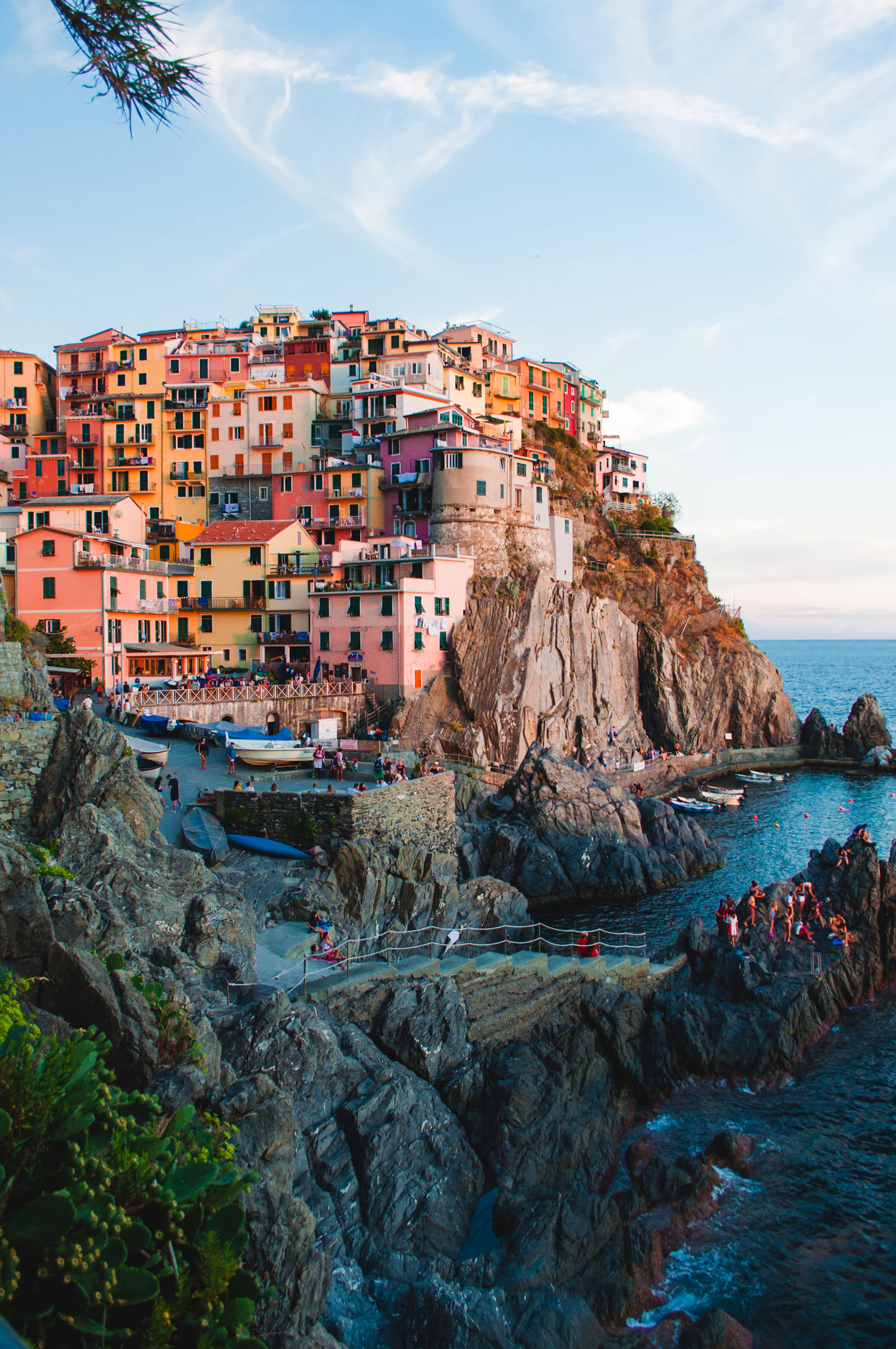

Italy has more national visa categories than almost any other EU country, and choosing the wrong one is the single most expensive mistake a would-be resident can make. A retiree with pension income, a remote software engineer, a freelancer invoicing foreign clients and an investor buying government bonds each need a different visa — and each faces a different consulate, a different evidence standard and a different route to permanent residence. This guide sets out how the main routes actually work in 2026, what income and documentation each demands, and how the visa converts into a permesso di soggiorno once you land.
Before You Read On
- Italy has more national visa categories than almost any other EU country, and choosing the wrong one is the single most expensive mistake a would-be resident can make.
- How Italian Visas and Residence Permits Fit Together: Two documents govern your stay.
- Italy Elective Residency Visa Requirements: The elective residency visa (residenza elettiva) is Italy's retirement and passive-income route.
- Italy Digital Nomad Visa Income Requirement and Remote Work: Italy's digital nomad and remote worker visa, operational since 2024…
- Italy Work Visa Sponsorship Jobs and the Decreto Flussi: Standard subordinate employment for non-EU nationals is quota-controlled.
How Italian Visas and Residence Permits Fit Together
Two documents govern your stay. The national long-stay visa (visto nazionale, type D) is issued by the Italian consulate in your country of residence and lets you enter Italy for a purpose. The permesso di soggiorno — the residence permit — is applied for inside Italy within eight working days of arrival and is what actually authorises you to live here. Miss the eight-day window and you create a problem that follows you through every renewal.
- Consulates apply the same national rules but differ significantly in queue length, appointment systems and documentary preferences.
- Italy visa appointment booking is often the hardest step — many consulates use Prenot@Mi or an outsourced provider, and slots can be released months ahead and taken within minutes.
- Italy visa processing time for national visas is commonly quoted as up to ninety days, longer where the consulate must verify documents abroad.
- After arrival you submit the permesso kit at a Poste Italiane sportello amico, attend a Questura appointment for fingerprints, then collect the card.
- The Schengen short-stay visa is a different animal entirely: Italy Schengen visa requirements cover ninety days in any one-hundred-and-eighty for tourism or business, with no right to reside or work.
Italy Elective Residency Visa Requirements
The elective residency visa (residenza elettiva) is Italy's retirement and passive-income route. It is the most misunderstood visa in the system because of one rule: you may not work, at all, in any form, while holding it. Your income must be passive and demonstrably stable.
- Income must come from pensions, annuities, rental income, dividends, or other passive sources — employment and freelance income disqualify the application, even if earned abroad.
- Consulates apply a published minimum but in practice expect substantially more, with higher figures for a spouse and each dependent.
- You must show accommodation in Italy already secured — a purchase deed or a registered long-term lease, not a hotel booking.
- Comprehensive private health insurance valid in Italy is required from day one.
- The visa is issued for one year and renewed as a permesso per residenza elettiva; time on it counts toward long-term residence and eventually citizenship.
- Because the no-work rule is absolute, anyone planning consultancy or remote work should look at the digital nomad or self-employment route instead.
Italy Digital Nomad Visa Income Requirement and Remote Work
Italy's digital nomad and remote worker visa, operational since 2024, is aimed at highly qualified workers who perform their work remotely using technology — either as employees of a foreign company or as freelancers with foreign clients. Italy remote work visa requirements pivot on three tests: qualification, income and track record.
- You must qualify as a 'highly skilled worker', typically evidenced by a relevant degree, a recognised professional qualification, or several years of documented professional experience.
- The Italy digital nomad visa income requirement is set as a multiple of the minimum exemption threshold for health-care contributions and is indexed annually — consulates publish the current euro figure, and it rises.
- You must show at least six months' prior experience working remotely in the relevant role.
- Health insurance covering the full period, and proof of accommodation in Italy, are both mandatory.
- Crucially, this route is outside the decreto flussi quota system, which is why it is faster and more predictable than standard work visas.
- You will need a codice fiscale, and you will become an Italian tax resident if you spend more than 183 days here — plan for that before you arrive, not after.
Italy Work Visa Sponsorship Jobs and the Decreto Flussi
Standard subordinate employment for non-EU nationals is quota-controlled. Each year the government publishes the decreto flussi setting how many work permits are available by sector and nationality, and applications open in a narrow, heavily oversubscribed window known as the click day. This is why Italy work visa sponsorship jobs are harder to secure than in most comparable economies.
- The employer applies for a nulla osta al lavoro from the Sportello Unico per l'Immigrazione before you can apply for the visa.
- Quota allocation is sector-specific — agriculture, tourism, hospitality, construction, transport and care work absorb most places.
- The EU Blue Card route sits outside the quota for highly qualified roles meeting a salary threshold and is far more reliable for professionals.
- Intra-company transfers and researchers also have dedicated non-quota routes.
- The Italy job market for foreigners rewards Italian-language ability more than most EU markets; English-only roles concentrate in Milan, in multinationals, tech and finance.
Italy Self Employment Visa and Visas for Freelancers
The lavoro autonomo visa covers freelancers, sole traders, company directors and professionals establishing a practice in Italy. It is also quota-limited and documentation-heavy, which is why Italy visa for freelancers searches so often end at the digital nomad route instead.
- You need a nulla osta from the Questura plus, for regulated professions, authorisation from the relevant professional body.
- The Chamber of Commerce must certify that you have the resources to establish the activity.
- Minimum income evidence is benchmarked against the annual social assistance threshold, with the prior year's earnings usually examined.
- Suitable accommodation and health cover are required as with every route.
- Once resident you will register for VAT (partita IVA) and INPS — see the tax guide in this series before you choose a regime.
Italy Startup Visa and Business Investor Visa Requirements
Italy runs a dedicated Italia Startup Visa programme with a centralised online committee that assesses innovative business plans, and a separate investor visa for capital deployment. Both sit outside the quota.
- Italy startup visa requirements centre on an innovative, technology-driven business plan and evidence of committed financial resources, assessed by a national committee rather than a consulate.
- The Italy investor visa golden visa route grants a two-year permit, renewable for three, for qualifying investment in Italian government bonds, an Italian limited company, an innovative startup, or a philanthropic donation.
- Each investor category has its own threshold, with the innovative-startup category the lowest and government bonds the highest.
- The funds must be transferred after the nulla osta is issued, not before, and must remain invested for the duration of the permit.
- Italy business investor visa requirements include proof of lawful source of funds — this is the step that most often delays approval.
Student, Family and Other Routes
Not every move to Italy is a work move. Study and family reunification are two of the largest categories, and both have their own evidence standards.
- Italy student visa financial proof is assessed against an annual minimum linked to the social allowance, shown through bank statements, a scholarship award, or a documented sponsor — see our DSU scholarship guide for regional grant options.
- Students may work part-time up to the permitted weekly hours and can convert to a work permit after graduation, subject to quota rules.
- Italy family reunification visa applications require a nulla osta obtained by the resident sponsor, who must show adequate income and certified suitable housing.
- Italy travel insurance for visa purposes must meet the minimum Schengen medical cover and repatriation requirements for short stays; long-stay routes require full private health insurance instead.
Italy Residence Permit Renewal
Italy residence permit renewal should begin at least sixty days before expiry, and earlier where your Questura is slow. Renewal re-tests the original conditions: income, accommodation, insurance and, for work permits, continued employment.
- The renewal kit is submitted at Poste Italiane; the receipt (ricevuta) proves lawful stay while the application is processed.
- Gaps in lawful residence break the continuity needed for long-term residence and citizenship — never let a permit lapse.
- Changing purpose (from study to work, for example) is a conversion, not a renewal, and has its own conditions.
- Keep every ricevuta and old permit card; you will need the paper trail years later.
When to Use an Italy Immigration Lawyer
Most straightforward elective residency and digital nomad applications are self-filed successfully. Complexity, prior refusals and business structures are what justify professional fees.
- An Italy immigration lawyer (avvocato) is worth engaging for refusals, appeals to the TAR, criminal-record issues, or complex corporate structures.
- For document legalisation, apostilles and sworn translations, a specialist agency is often cheaper than a lawyer.
- A commercialista, not a lawyer, is the right adviser for tax regime selection and partita IVA setup.
- Beware of intermediaries promising guaranteed appointments or approvals — consulate slots cannot legitimately be sold.
Questions Readers Ask Most
Q.Can I work on an Italian elective residency visa?
No. The elective residency visa prohibits all work, including remote work for a foreign employer and freelance activity. Your income must be passive — pensions, annuities, rents or dividends. If you plan to work remotely, apply for the digital nomad visa instead.
Q.What income do I need for the Italy digital nomad visa?
The requirement is set as a multiple of the minimum health-contribution exemption threshold and is revised annually, so consulates publish the current euro figure. You must also show a relevant qualification or professional experience and at least six months of prior remote work.
Q.How long does an Italian visa take to process?
National long-stay visas are commonly processed within about ninety days of a complete application, but the binding constraint is usually getting a consulate appointment, which can take considerably longer in busy jurisdictions.
Q.Is the Italian golden visa still available in 2026?
Yes. The investor visa grants a two-year renewable permit for qualifying investment in government bonds, an Italian company, an innovative startup or a philanthropic donation, with different thresholds per category. Funds are transferred after the nulla osta is issued.
Q.What is the decreto flussi and does it affect me?
It is the annual quota decree that caps standard employment and self-employment permits for non-EU nationals. It does not affect the digital nomad visa, the EU Blue Card, the investor and startup routes, elective residency, study or family reunification.
Researched and verified by
LifeWestWay Editorial Team
Research & fact-checking desk — not lawyers, accountants or licensed advisers
This guide is researched and written in-house. Every rule, fee, threshold and salary figure is checked against primary government sources (immigration departments, tax authorities and national statistics agencies) before publishing, each page names the sources it relies on, and we re-check fast-moving pages — fees, visa rules and tax bands — at least every quarter and after any announced policy change.
