
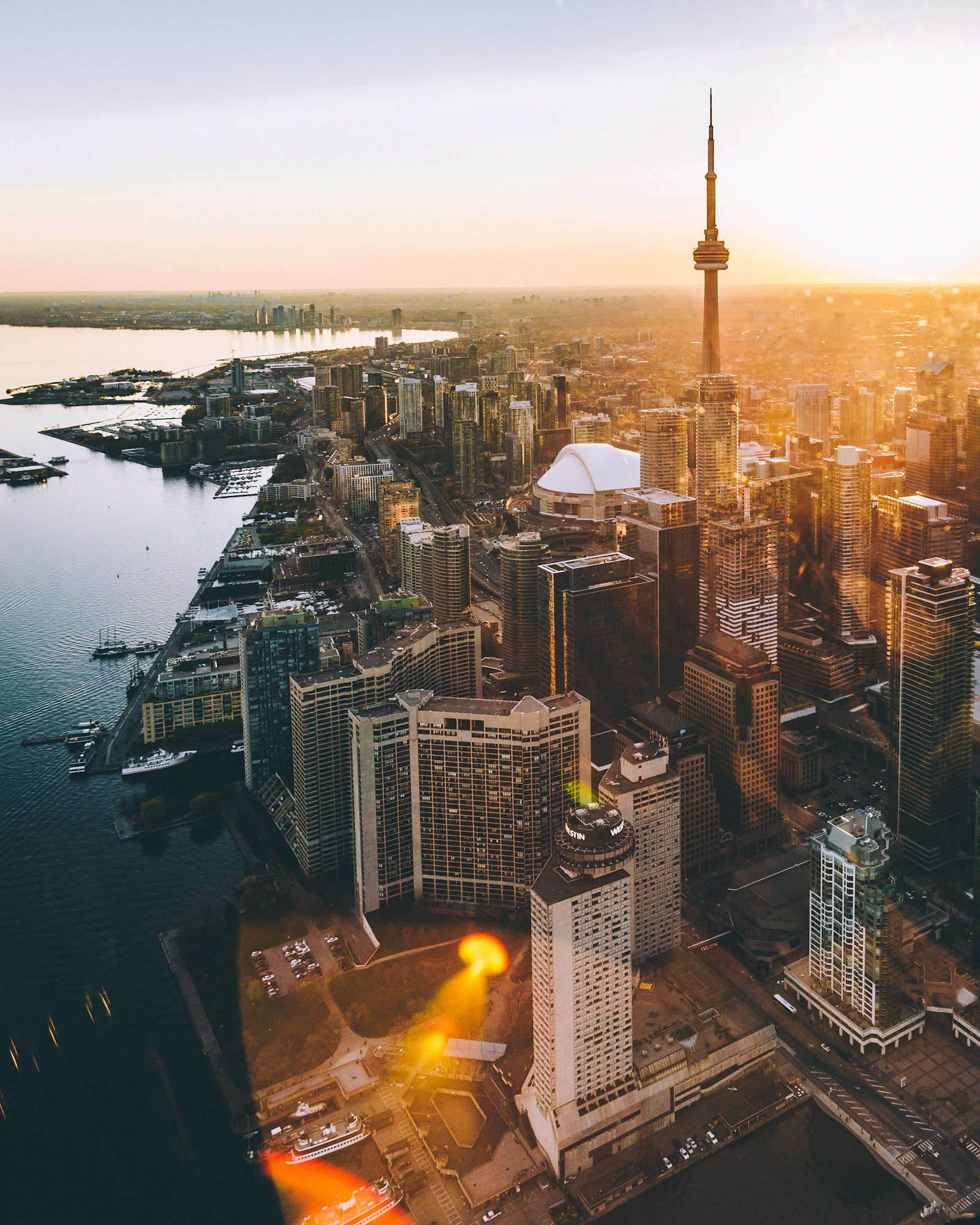

Canada remains one of the world's most attractive study destinations in 2026 — world-class universities, on-campus jobs, and a post-graduation work permit that opens the door to permanent residency. This step-by-step guide walks you through the entire Canadian Student Visa (study permit) application, updated for the new IRCC rules that came into force this year.
Key Findings
- Canada remains one of the world's most attractive study destinations in 2026 — world-class universities, on-campus jobs, and a post-graduation work permit that opens the door to permanent residency.
- Understanding the Canadian Student Visa Process: The 'Canadian Student Visa' is officially called a study permit, issued by Immigration, Refugees and Citizenship Canada (IRCC).
- Eligibility Criteria for International Students: Before you spend a dollar on application fees, confirm you meet every eligibility criterion.
- Financial Requirements (Proof of Funds): As of 2026, IRCC requires single applicants studying outside Quebec to show CAD 20,635 for living expenses, on top of first-year tuition and return travel.
- Processing Times and Visa Fees: In mid-2026, average IRCC processing times sit around 6–12 weeks for standard study permits and 20 calendar days for SDS (Student Direct Stream) applicants from eligible countrie…
Understanding the Canadian Student Visa Process
The 'Canadian Student Visa' is officially called a study permit, issued by Immigration, Refugees and Citizenship Canada (IRCC). It lets you study full-time at a Designated Learning Institution (DLI) for the length of your program, plus 90 days. Most applicants also receive a Temporary Resident Visa (TRV) or eTA stamped inside the passport so they can physically enter Canada.
From January 2024, IRCC introduced a Provincial Attestation Letter (PAL) requirement and a national study permit cap, and in 2026 the cap tightened further. This means the province where your DLI is located must issue you an attestation before IRCC will even open your file. Plan your DLI choice with the cap in mind.
Eligibility Criteria for International Students
Before you spend a dollar on application fees, confirm you meet every eligibility criterion. Missing even one is the #1 reason study permits get refused.
- A letter of acceptance from a Designated Learning Institution (DLI) that appears on the current IRCC list.
- A valid Provincial Attestation Letter (PAL) or Territorial Attestation Letter (TAL), unless you are exempt (e.g. master's, PhD, K-12).
- Proof of funds covering tuition, living costs, and return travel for you and any accompanying family.
- A clean criminal record — you may be asked for a Police Clearance Certificate.
- Good health — a medical exam is required for stays over six months from many countries.
- Proof you will leave Canada at the end of your authorised stay (ties to your home country, study plan, career plan).
Documents Required for Your Visa Application
IRCC will refuse an incomplete application without contacting you. Prepare every document in the accepted format (PDF, JPG or PNG), correctly named, and under the size limits shown on the IRCC portal.
- Valid passport with at least one blank page (validity should cover your full study period).
- Letter of Acceptance from your DLI, on official letterhead.
- Provincial/Territorial Attestation Letter (PAL/TAL).
- Proof of funds (see next section).
- Statement of Purpose / Letter of Explanation outlining why you chose the program and Canada.
- Academic transcripts and degree certificates.
- English or French test results — IELTS, PTE, TOEFL or TEF, meeting your DLI's minimum.
- Two recent passport-style photos meeting IRCC specifications.
- Medical Exam confirmation from an IRCC-approved panel physician (if required).
- Biometrics fee payment receipt.
Financial Requirements (Proof of Funds)
As of 2026, IRCC requires single applicants studying outside Quebec to show CAD 20,635 for living expenses, on top of first-year tuition and return travel. Quebec sets its own lower amount. Add roughly CAD 4,000 for each accompanying family member.
Accepted evidence of funds includes a Canadian bank Guaranteed Investment Certificate (GIC) — often used by SDS applicants — proof of a student or education loan from a bank, four months of bank statements, a bank draft convertible to Canadian dollars, proof of tuition and housing fees already paid, or a letter from a person or school providing you money.
Money that has landed in your account only days before applying often raises red flags. Show a paper trail: salary credits, business income, or a clear gift deed from a parent or sponsor.
Processing Times and Visa Fees
In mid-2026, average IRCC processing times sit around 6–12 weeks for standard study permits and 20 calendar days for SDS (Student Direct Stream) applicants from eligible countries. Peak season (May–August) runs longer.
- Study permit application fee: CAD 150.
- Biometrics fee: CAD 85 (individual) or CAD 170 (family).
- Optional work permit for spouse (if eligible): CAD 155 + CAD 100 open work permit holder fee.
- Medical exam: approximately CAD 100–250, paid directly to the panel physician.
- GIC (if used for proof of funds): CAD 20,635 held with an approved Canadian bank.
Track your application in the IRCC Secure Account. Avoid emailing IRCC for status updates in the first 60 days — it does not speed anything up and may push your file to the back of the queue.
FAQ (Common Visa Application Mistakes)
Most study permit refusals in 2026 come down to a small number of avoidable errors. Read this list carefully before you hit submit.
Written & fact-checked by
LifeWestWay Editorial Team
Research & fact-checking desk — not lawyers, accountants or licensed advisers
This guide is researched and written in-house. Every rule, fee, threshold and salary figure is checked against primary government sources (immigration departments, tax authorities and national statistics agencies) before publishing, each page names the sources it relies on, and we re-check fast-moving pages — fees, visa rules and tax bands — at least every quarter and after any announced policy change.
Common Questions, Answered
Q.Why is my Statement of Purpose so important?
IRCC officers look for a clear, honest study plan: why this program, why this DLI, why Canada, and how it links to your career at home. Copy-paste templates are the fastest way to a refusal under section R216(1)(b).
Q.Can I work while studying in Canada in 2026?
Yes. From November 2024 IRCC restored off-campus work rights for eligible full-time students, up to 24 hours per week during academic sessions and full-time during scheduled breaks.
Q.What happens if my proof of funds is borderline?
Show more than the minimum where possible, and pair a GIC with a second source such as bank statements or a sponsor letter. Officers weigh both the amount and the credibility of the source.
Q.Can my spouse and children come with me?
Yes. Your spouse may qualify for an open work permit if you are studying a master's, PhD, or select professional program. Dependent children can attend Canadian public schools without a separate study permit.
Q.How long can I stay after graduation?
Eligible graduates can apply for a Post-Graduation Work Permit (PGWP) valid for up to three years, which is often the first step toward permanent residency through Express Entry or a Provincial Nominee Program.
